
ADHD Isn’t Just About Focus — It’s About Self-Regulation, Health, and Hope
When most people think of ADHD, they think of trouble paying attention, staying organized, or sitting still. However, at its core, ADHD is less about attention and more about self-regulation, that is, the brain’s ability to manage time, emotion, and behaviour in service of long-term goals.
Psychologist and researcher Dr. Russell Barkley once described ADHD as a “disorder of future-directed behaviour.” That phrase captures something powerful: ADHD affects not just what we pay attention to, but how far into the future we can think, plan, and prepare.
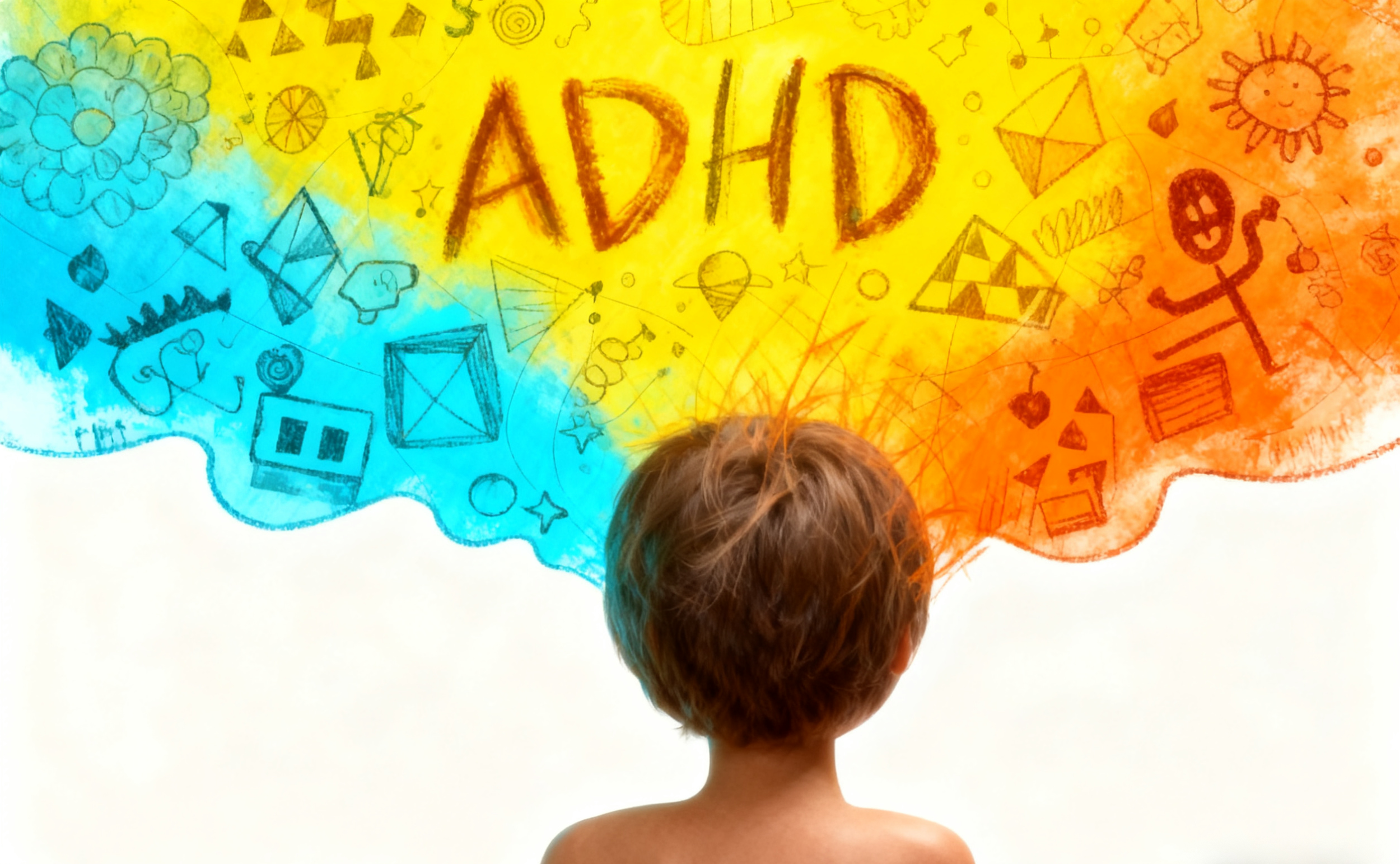
ADHD can also be reframed as EFDD: Executive Function Deficit Disorder.
—— Dr. Russell Barkley
When Time Feels Truncated
One of the most fascinating insights from Barkley’s work is the idea of a “truncated window on time.” People with ADHD live within a much shorter mental horizon and are often focusing on what’s right in front of them, rather than what’s days, weeks, or months away.
That means decisions tend to favour immediate rewards over delayed benefits. It’s why someone might choose the comfort of scrolling late at night over the long-term payoff of sleep, or skip a healthy meal prep for something quick and satisfying in the moment.
This isn’t a failure of discipline. It’s a neurological pattern, which makes it harder to hold future consequences in mind when making choices today.
When I hear clients say, “I know what I need to do, I just can’t make myself do it,” I think of this concept. ADHD isn’t about not knowing, it is about difficulty doing what you know, especially when the reward lies in the future.
The Cumulative Effect on Health and Well-Being
When self-regulation is disrupted, the impact ripples far beyond focus or productivity. Small daily decisions , such as, sleep, diet, exercise, and safety, accumulate over time. Research shows that untreated ADHD is linked to higher rates of accidental injury, chronic stress, obesity, substance use, and even shorter life expectancy (French et al., 2024). Barkley’s research found that untreated ADHD can reduce life expectancy by as much as 9 to 13 years. That’s not due to one specific illness, but to the thousands of micro-decisions that favour immediate comfort over long-term wellness.
A lot of people think children with ADHD conditions can just “outgrow it” as their brains develop, but research shows that’s not usually the case. A recent study shows that approximately only about 13–30% of people are symptom-free by their late 20s, which means most adults with ADHD continue to face struggles with focus, impulsivity, time management, and emotional regulation, which can affect work, relationships, finances, and even increase the risk of accidents or mental health difficulties (Jiménez-Muñoz et al., 2024).
As a therapist, I see how exhausting it can be for clients who live with this pattern. Many carry years of shame, believing they’re lazy, “hot mess”, or “just can’t get it together.” But when we understand ADHD as a challenge of self-regulation rather than character, the conversation can start shifting from blame to compassion, and from guilt to growth.
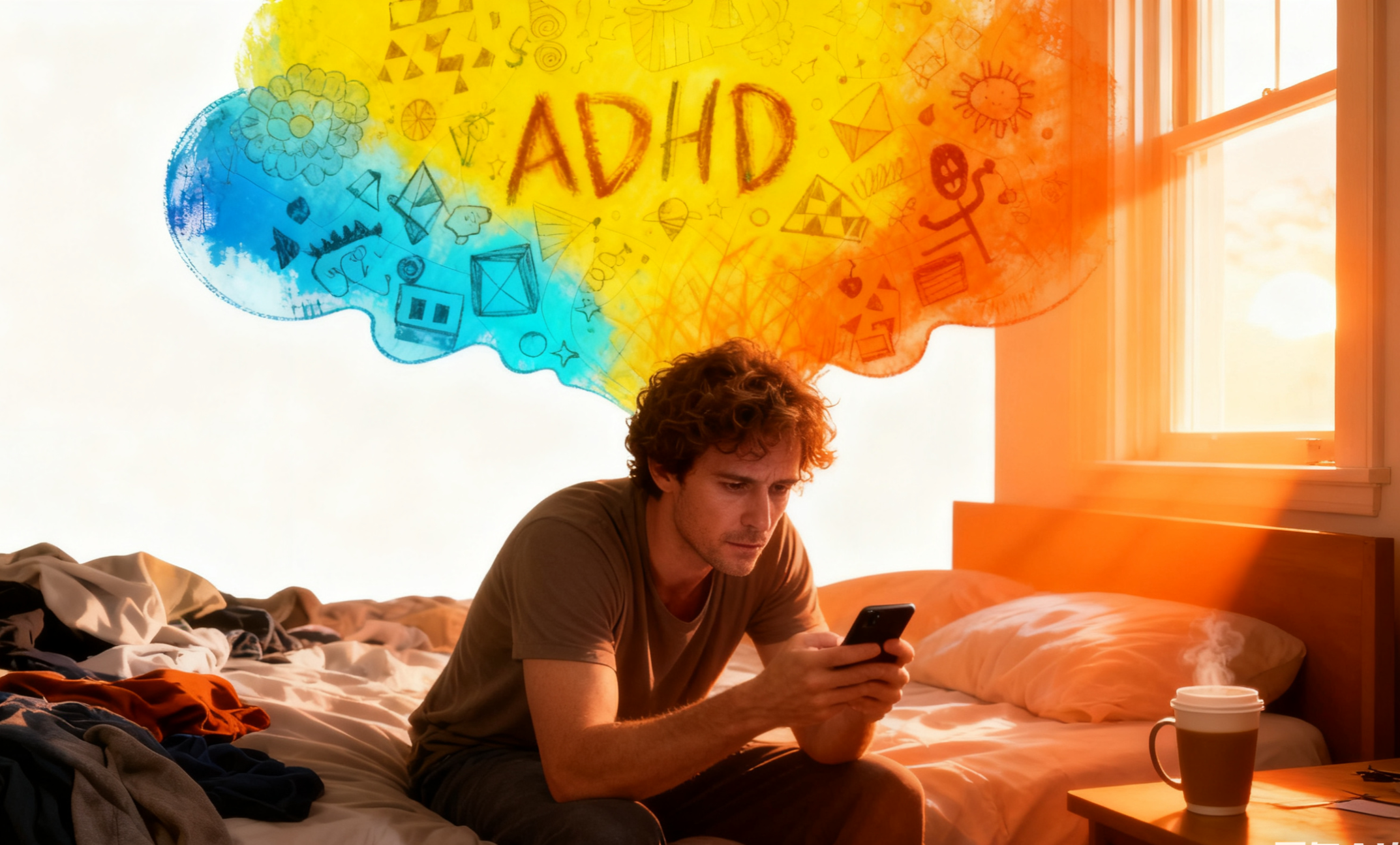
Fade with age?
One common misconception is that children with ADHD can simply outgrow it as they get older.
There’s Hope, because ADHD Is Highly Manageable/Treatable
The good news is that ADHD is one of the most treatable mental health conditions. Evidence shows that appropriate treatments, whether through medication, therapy, or coaching, can significantly reduce impulsivity, improve decision-making, and even lower health risks (Jiménez-Muñoz et al., 2024). The key is consistency. ADHD treatment works best when it’s ongoing and tailored to the individual, not approached as a quick fix. When people receive the right mix of support, they often describe feeling more in control of their choices, more connected to their goals, and more capable of living the kind of life they’ve always envisioned.
Dr. Barkley also emphasized that the reduced life expectancy associated with ADHD is not fixed or inevitable (Barkley & Benton, 2022). His research identified nine key factors that can influence lifespan, including sleep quality, physical activity, nutrition, smoking, substance use, driving habits, and stress management. These areas are malleable and can be improved with awareness and support. What connects all of them is a deeper trait known as behavioural inhibition or conscientiousness, which involves the ability to pause, think ahead, and make choices with the future in mind. Strengthening this capacity through therapy, medication, structure, and daily practice not only enhances self-regulation but can also help people live longer, healthier, and more intentional lives.
Therapy helps by strengthening executive functions — building emotional regulation, time awareness, planning, and self-compassion. Medication can create the stability needed to implement those changes. Together, they support the person behind the diagnosis — not just the behaviour.
Living With Your Brain, Not Against It
Working with ADHD means learning to design a life that aligns with how your brain operates. That might include:
Using external reminders instead of relying on memory.
Setting up structure and accountability rather than depending on motivation.
Practicing mindfulness or brief pauses to slow impulsive moments.
Breaking tasks into short, visible steps that create momentum and reward.
These strategies aren’t about “fixing” ADHD, but they’re about supporting self-regulation and creating bridges between your intentions and your actions. Over time, those bridges become habits that protect health, relationships, and self-esteem.
A Shift in Perspective
ADHD isn’t simply a matter of focus, it’s about how we connect the present to the future. And when that connection is disrupted, life can feel like a series of reactions rather than choices. But that doesn’t mean change is impossible. With awareness, support, and the right strategies, people with ADHD can reclaim that sense of control not by forcing themselves to “try harder,” but by learning to work smarter with their brain’s wiring.
From many group consultations, seminars, and trainings I’ve attended, a common theme often comes up that ADHD can be easy to miss in therapy. Many therapists have shared that it’s easy to get caught up in what seems most urgent, such as, the anxiety, the low mood, the emotional overwhelm, and then miss what’s driving it underneath. For many clients, that hidden layer is untreated or under-supported ADHD. When we only focus on the surface symptoms, we risk missing the full picture of what’s really going on. That’s why it’s so important for mental health professionals to stay curious, to follow up, and to keep ADHD in mind even when it’s not the presenting issue. Consistent check-ins, education, and collaboration around treatment can make a huge difference. When we pay closer attention, we help clients move beyond just coping with the chaos and start building sustainable change from the inside out.
ADHD doesn’t define who you are. It’s simply one part of your story. When understood and supported, it doesn’t have to hold you back from a healthy, fulfilling life.
References:
Barkley, R. A., & Benton, C. M. (2022). Taking charge of adult ADHD : Proven strategies to succeed at work, at home, and in relationships. The Guilford Press.
French, B., Nalbant, G., Wright, H., Sayal, K., Daley, D., Groom, M. J., Cassidy, S., & Hall, C. L. (2024). The impacts associated with having ADHD: An umbrella review. Frontiers in Psychiatry, 15(15). https://doi.org/10.3389/fpsyt.2024.1343314
Jiménez-Muñoz, L., Olatz Lopez-Fernandez, Inmaculada Peñuelas-Calvo, Delgado-Gómez, D., Miguélez-Fernández, C., López-González, S., González-Garrido, C., Baca-García, E., Carballo, J. J., & Porras-Segovia, A. (2024). Persistence of ADHD into adulthood and associated factors: A prospective study. Psiquiatría Biológica, 32(2), 1–19. https://doi.org/10.1016/j.psiq.2024.100529