
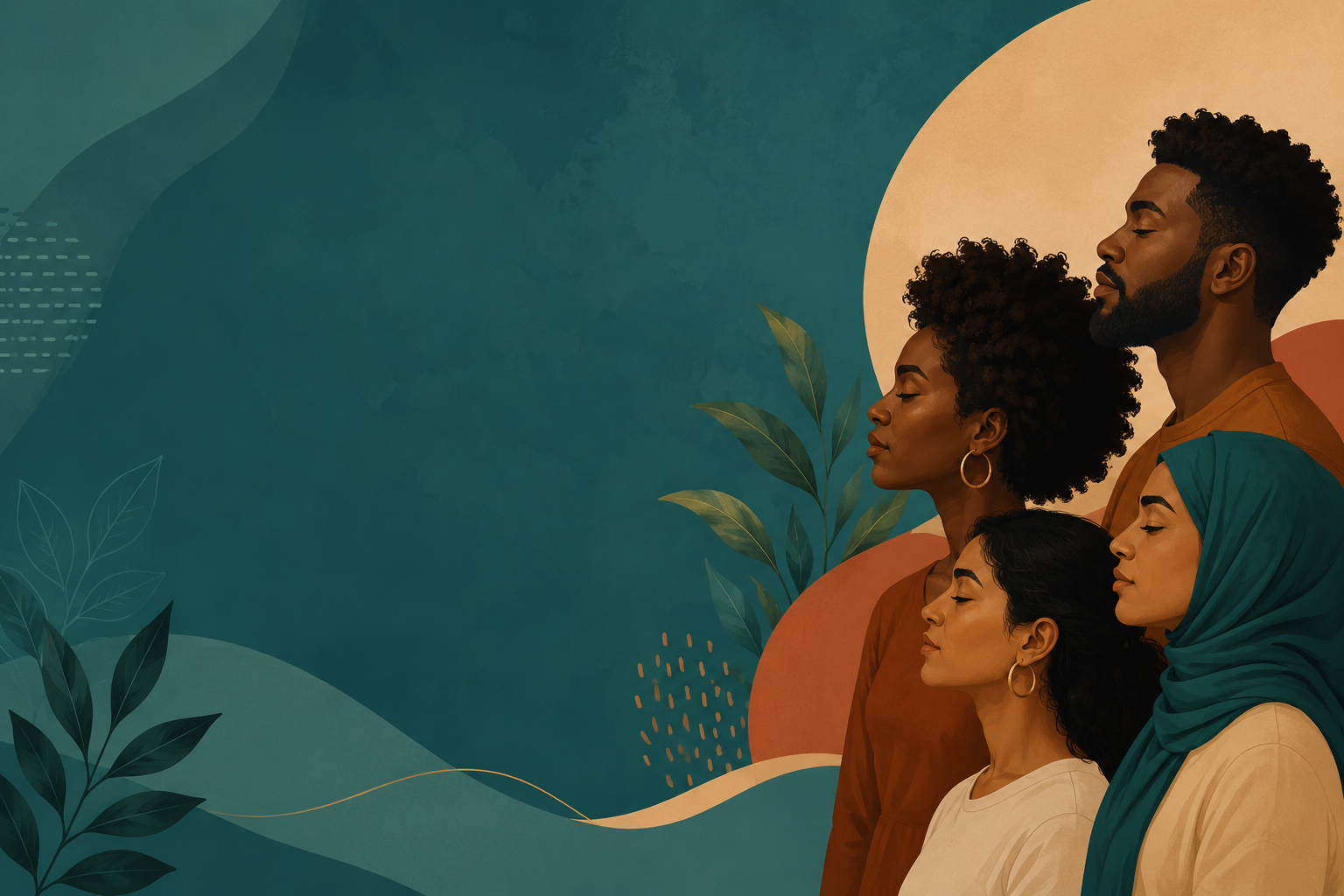
BIPOC Therapy
Downtown Edmonton | Virtual Therapy Across Canada
What’s It About?
BIPOC Therapy at HouseYourMind supports individuals from Black, Indigenous, Asian, Latin American, Middle Eastern, African, and other racialized communities who may be navigating challenges related to identity, belonging, discrimination, immigration, family expectations, or cultural adjustment.
Sometimes the exhaustion isn't just coming from anxiety, stress, or life's challenges; it's from constantly navigating spaces where parts of your identity feel misunderstood, questioned, or overlooked. You may be carrying the weight of cultural expectations, family responsibilities, experiences of discrimination, immigration stress, or the feeling of not fully belonging anywhere. As a BIPOC therapist, I recognize that while culturally informed therapy matters, there can also be comfort in speaking with someone who has their own lived experience of navigating culture, identity, and belonging. While our stories may be different, you may find there is less explaining, less translating, and more space to focus on what is weighing on you and how you want to move forward.

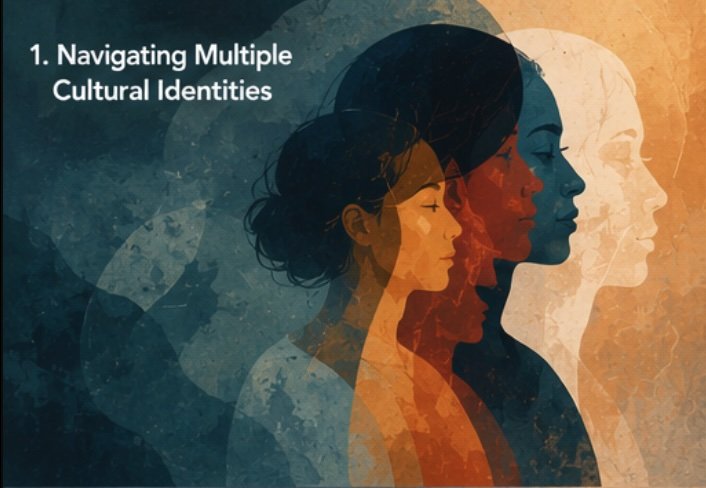
Navigating Multiple Cultural Identities
Many BIPOC individuals find themselves balancing different cultural expectations at home, work, school, or within their communities. Feeling caught between cultures can create confusion about identity, belonging, and authenticity.
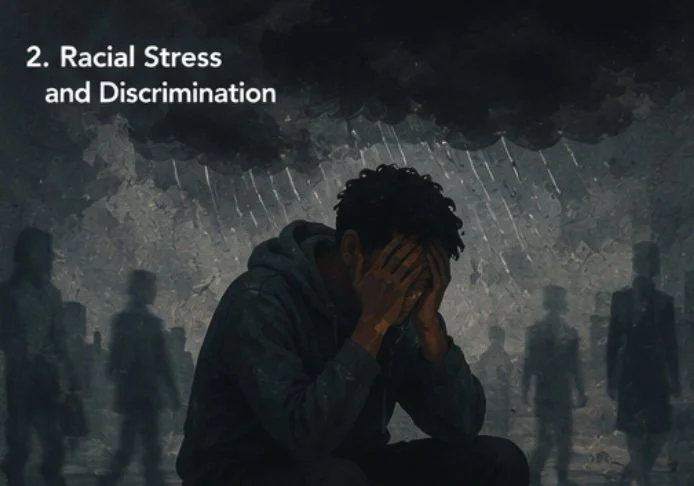
Racial Stress and Discrimination
Experiences of racism, microaggressions, exclusion, or feeling judged because of one's race or ethnicity can have a cumulative impact over time. Even subtle experiences can contribute to anxiety, self-doubt, hypervigilance, and emotional exhaustion.
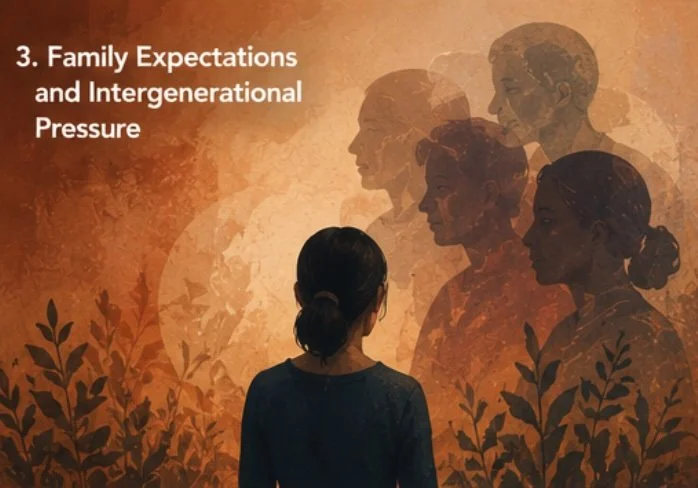
Family Expectations and Intergenerational Pressure
Many BIPOC clients find themselves navigating tensions between cultural values and personal needs. This may include difficulties asserting boundaries with family, managing relationship expectations, or balancing individual goals with collective responsibilities.
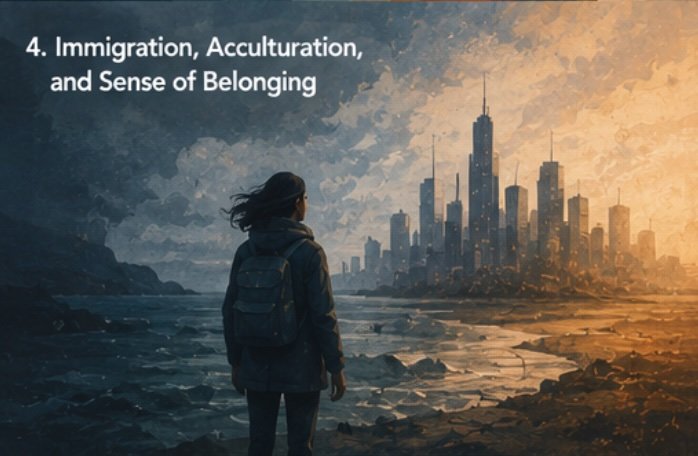
Immigration, Acculturation, and Sense of Belonging
Whether someone immigrated themselves or grew up in an immigrant family, adjusting to a new culture can bring challenges related to identity, language, belonging, and loss. Many people struggle with feeling like they don't fully fit in either culture.
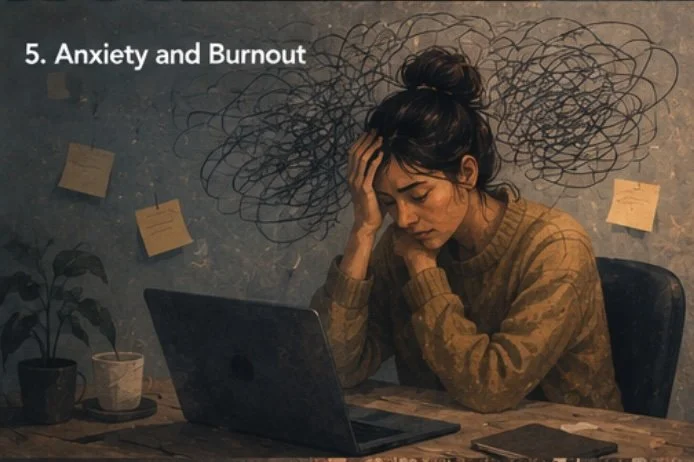
Anxiety and Burnout
The pressure to work harder, prove oneself, navigate systemic barriers, or carry family responsibilities can contribute to chronic stress and burnout. Many clients describe feeling exhausted from constantly being "on" and carrying responsibilities for everyone around them.
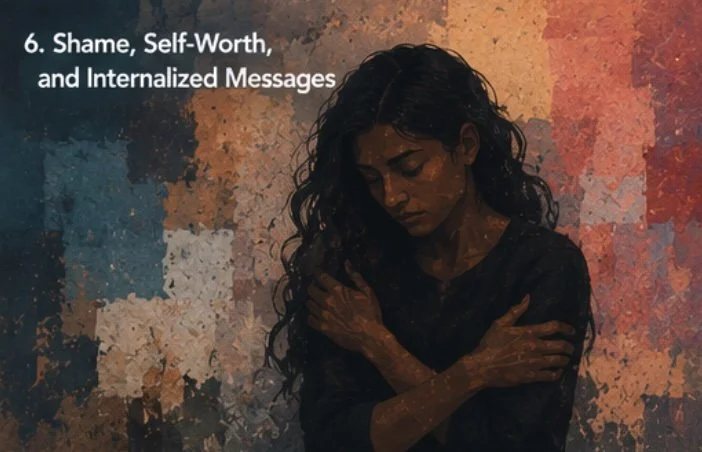
Shame, Self-Worth, and Internalized Messages
Messages received from society, family, or cultural environments can shape how people view themselves. Some individuals struggle with feelings of inadequacy, self-criticism, or believing they must hide parts of who they are to be accepted.
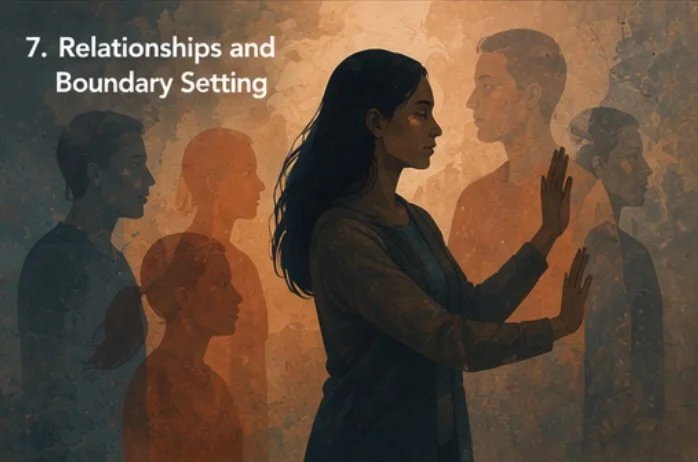
Relationships and Boundary Setting
Many BIPOC communities place a strong emphasis on family responsibility, achievement, sacrifice, and collective wellbeing. While these values can be strengths, they can also create guilt, perfectionism, difficulty setting boundaries, and pressure to meet others' expectations.
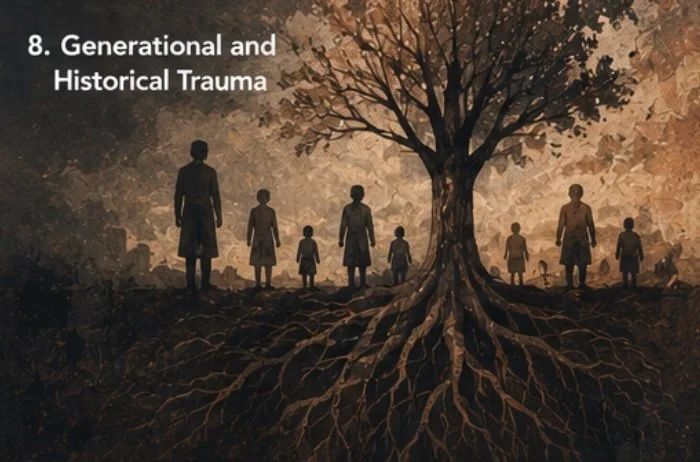
Generational and Historical Trauma
The effects of trauma can sometimes extend beyond a single generation through family stories, survival strategies, and inherited beliefs. Clients may notice patterns of fear, emotional suppression, hyper-independence, or distrust that have been passed down through their families.
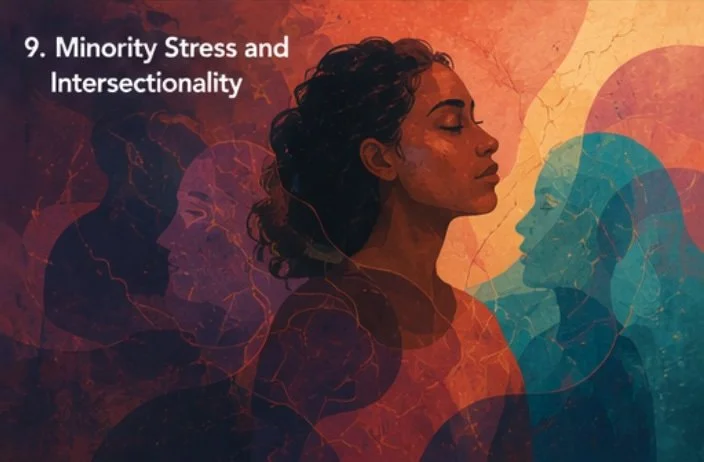
Minority Stress and Intersectionality
For BIPOC individuals who also belong to other marginalized communities, such as LGBTQIA+, neurodivergent, disabled, or immigrant communities, multiple layers of identity can create unique challenges. These overlapping experiences can influence mental health, relationships, and sense of safety in the world.

How BIPOC Therapy Is Approached Here:
Being a BIPOC person can sometimes mean carrying experiences that are difficult to explain to people who have never lived them. You may have spent years balancing different expectations, learning when to adapt, when to stay quiet, when to push back, or trying to figure out where you truly belong. You may find yourself appreciating parts of your culture while struggling with others, feeling responsible for people you care about while also wanting a life that feels like your own.
As a BIPOC therapist, I don't assume our experiences are the same. However, there is often less time spent explaining or translating parts of your reality before we can get to what is actually weighing on you. Many of my clients already have insight into how culture, family, identity, or life experiences have shaped them. The challenge is often not understanding why they feel the way they do, but figuring out what to do with that understanding. Together, we can explore the patterns, conflicts, and questions that continue to show up in your life while working toward changes that feel meaningful and realistic for you.

What Working Together May Look Like:
Many BIPOC clients already understand why they struggle at certain point. They may know where the anxiety comes from, recognize familiar family patterns, or have spent years reflecting on how culture, identity, immigration, community values, and their experiences with larger social systems have shaped their lives.
Yet understanding something intellectually does not always make it easier to live with.
You may still find yourself carrying guilt despite knowing it isn't yours to carry. You may continue questioning yourself even when part of you understands where the self-doubt comes from. You may feel caught between competing values, responsibilities, and identities without a clear answer for how to move forward.
Our therapy is not simply about gaining more insight. It is about creating space for the complexity of your experiences, exploring what matters most to you, and finding ways to respond to life's challenges that feel aligned with your values, relationships, and sense of self.

Therapeutic Approaches May Be integrated:
Acceptance and Commitment Therapy (ACT) can help when you feel stuck between competing expectations, values, or identities, allowing you to make choices that feel more aligned with the life you want to build.
Emotionally Focused Therapy (EFT) can help explore deeper emotional experiences, relationship patterns, and attachment wounds that may continue to affect how you connect with yourself and others.
Cognitive Behavioural Therapy (CBT) can help identify unhelpful thinking patterns, self-criticism, anxiety, and beliefs that may no longer serve you.
Dialectical Behaviour Therapy (DBT) offers practical tools for managing intense emotions, setting boundaries, coping with distress, and navigating difficult interpersonal situations.
Narrative Therapy can be helpful when you feel caught between different expectations about who you should be. Whether those expectations come from family, culture, community, relationships, or society, we can explore how these stories have shaped your experiences and whether they still fit the life you want to live today.
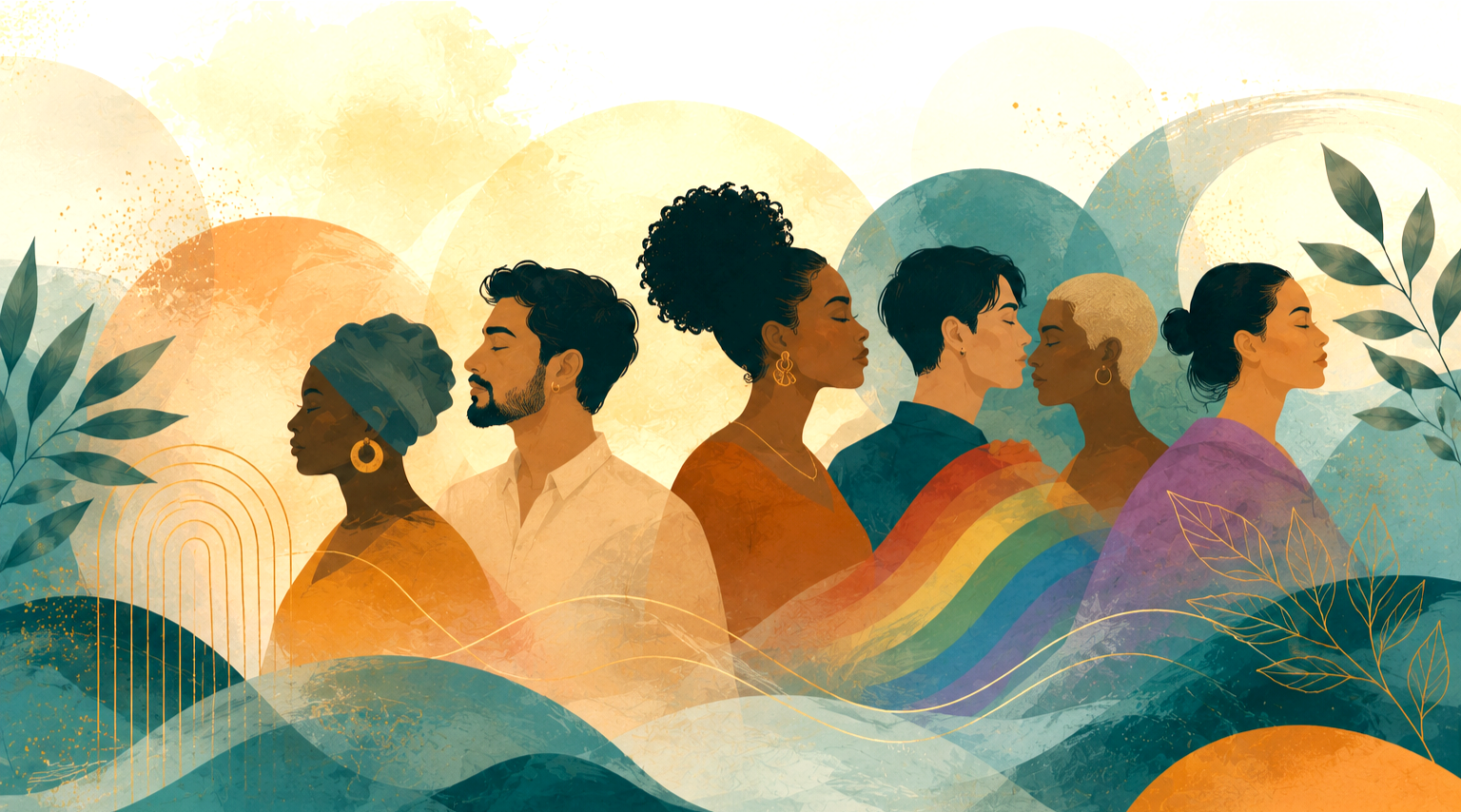
If you identify as both BIPOC and 2SLGBTQIA+, you may also be interested in learning more about my work with 2SLGBTQIA+ individuals and the unique experiences that can arise at the intersection of these identities.
