
Therapy For ADHD
Downtown Edmonton | Virtual Therapy Across Canada

Living with ADHD isn't just forgetting things. It's carrying the guilt of knowing what you're capable of but not always being able to access it.
Your mind may move fast. That does not mean you are failing.
Living with ADHD isn't just forgetting things. It's carrying the guilt of knowing what you're capable of but not always being able to access it.ADHD can affect attention, motivation, emotions, routines, relationships, and the way you see yourself. Therapy can help you understand your patterns, reduce shame, and build strategies that work with your brain, not against it.
Symptoms do not always look the way people expect.
COMMON ADHD EXPERIENCES
Some people are visibly restless. Others are quiet, overwhelmed, chronically late, emotionally reactive, perfectionistic, or constantly trying to catch up. Many adults recognize the pattern only after years of self-blame.
ADHD is not simply a problem with paying attention.
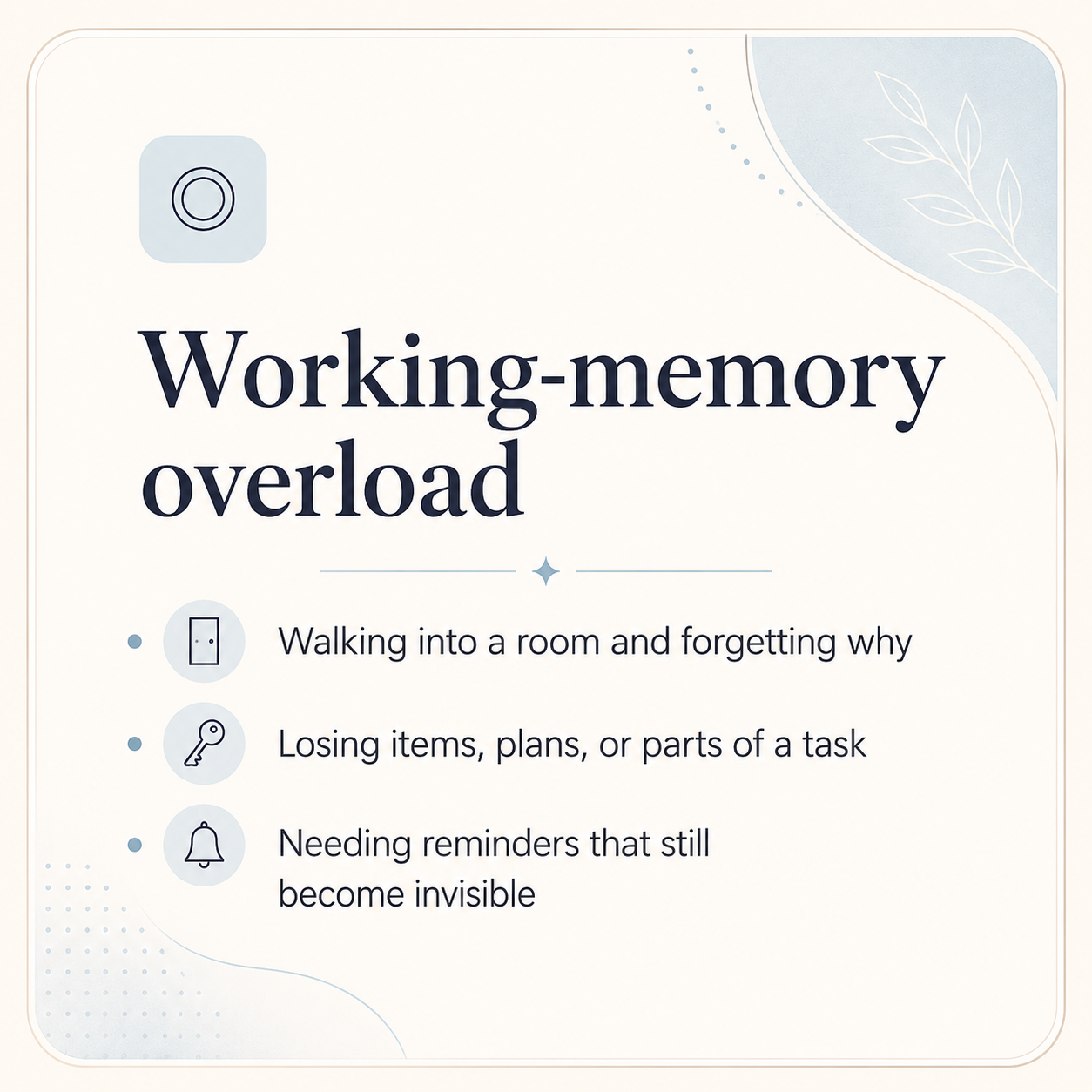
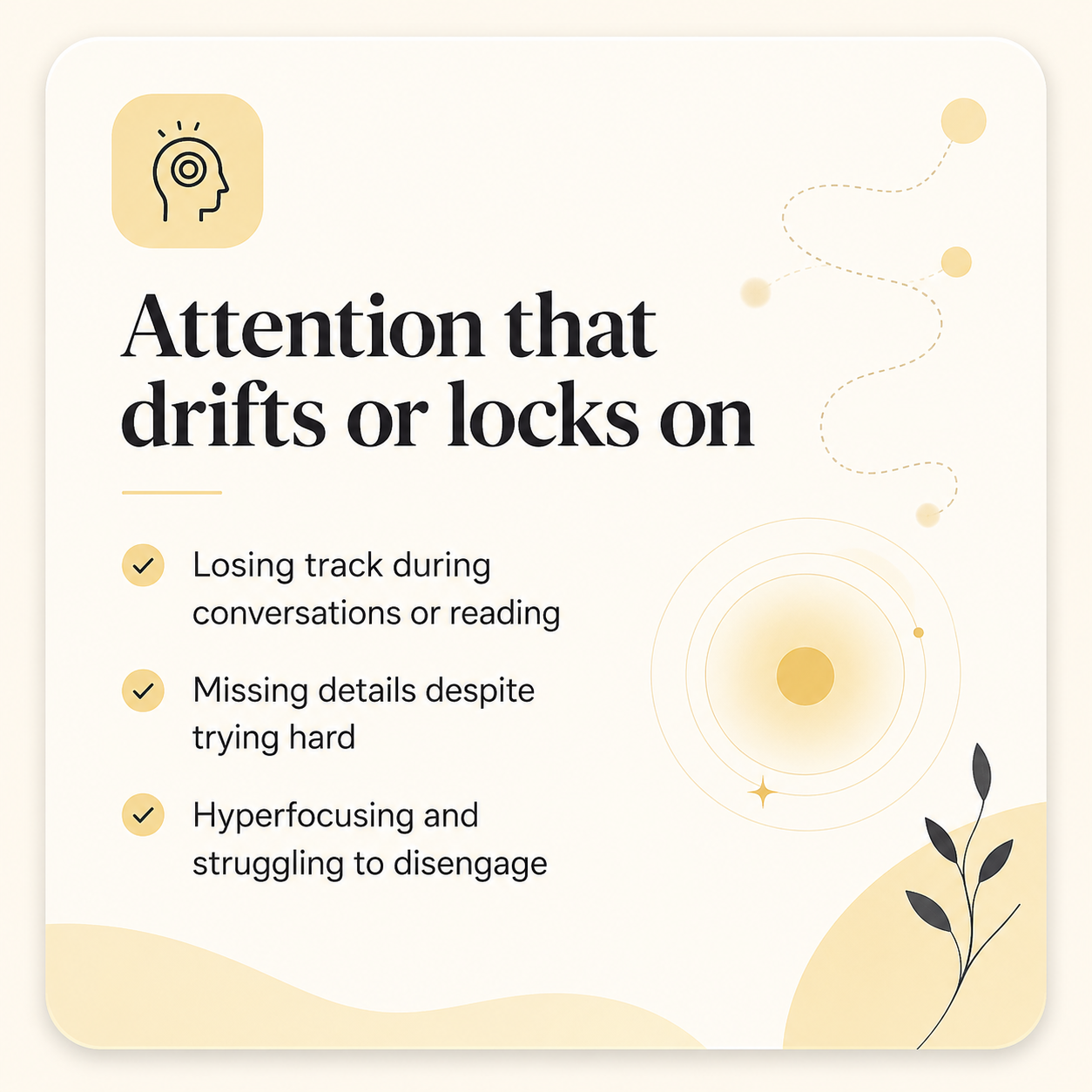
It can affect how your brain directs attention, begins tasks, senses time, remembers information, regulates energy, and responds to emotion. You may look capable from the outside while using enormous effort to keep everyday life together.
That gap between what others see and what it costs you can become exhausting.
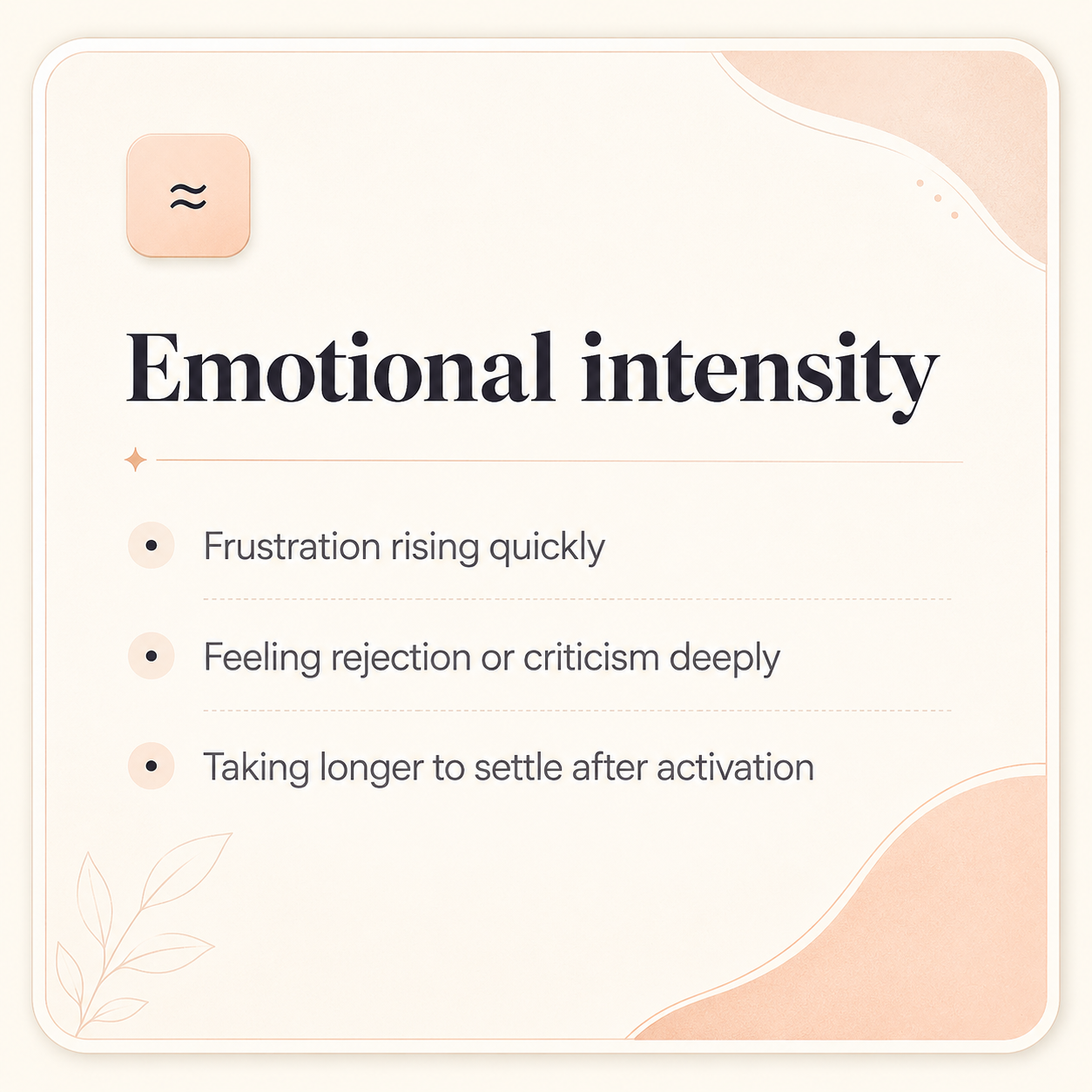
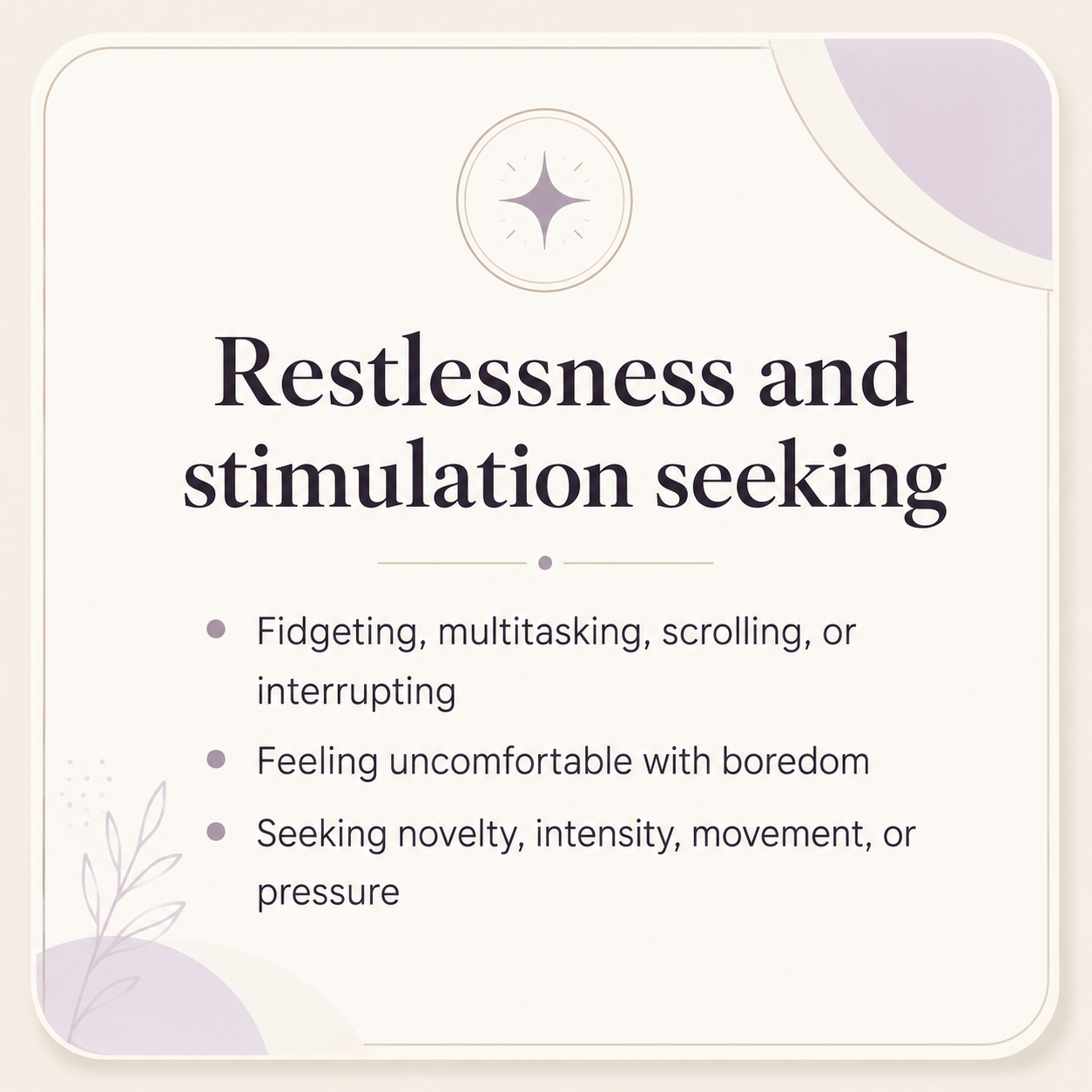
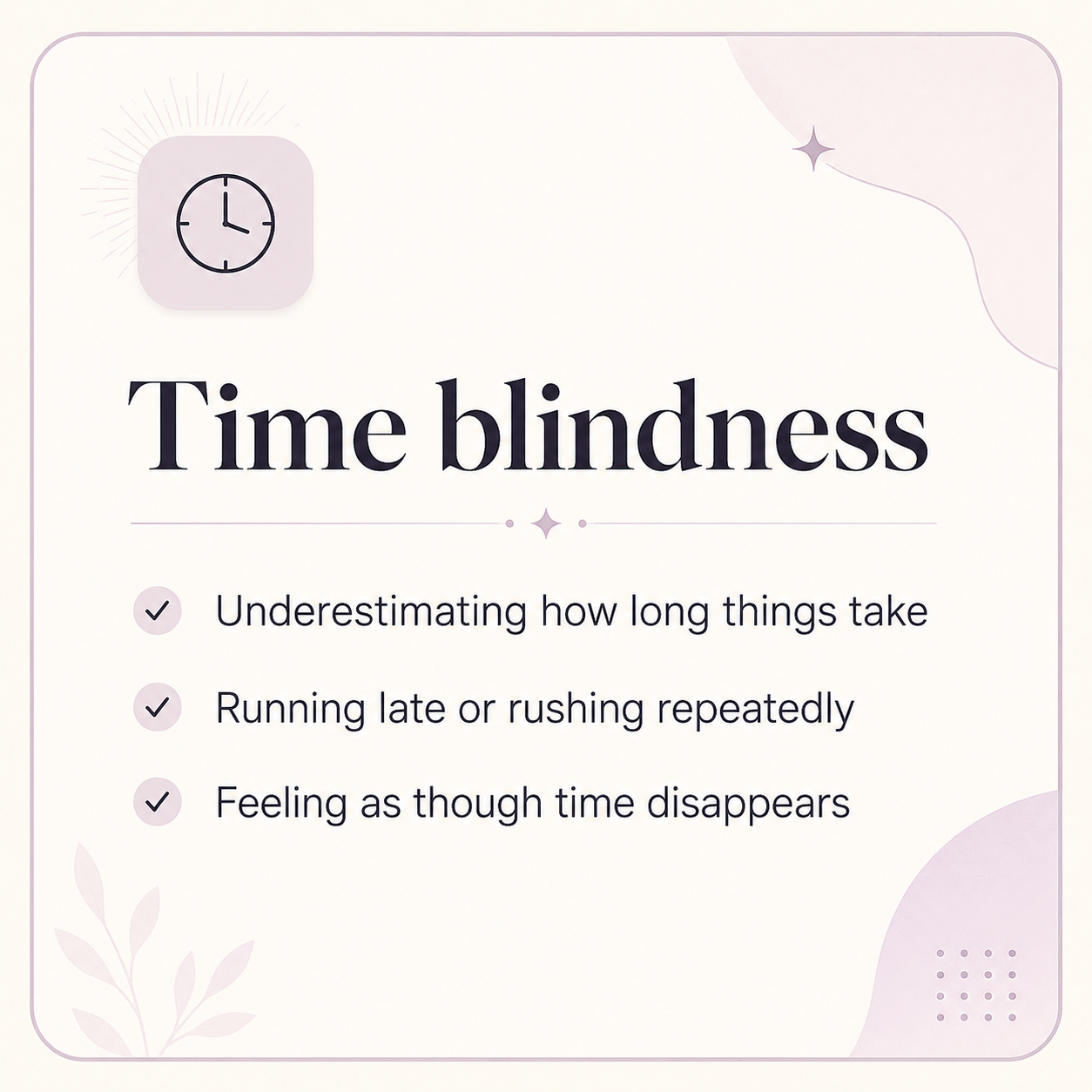
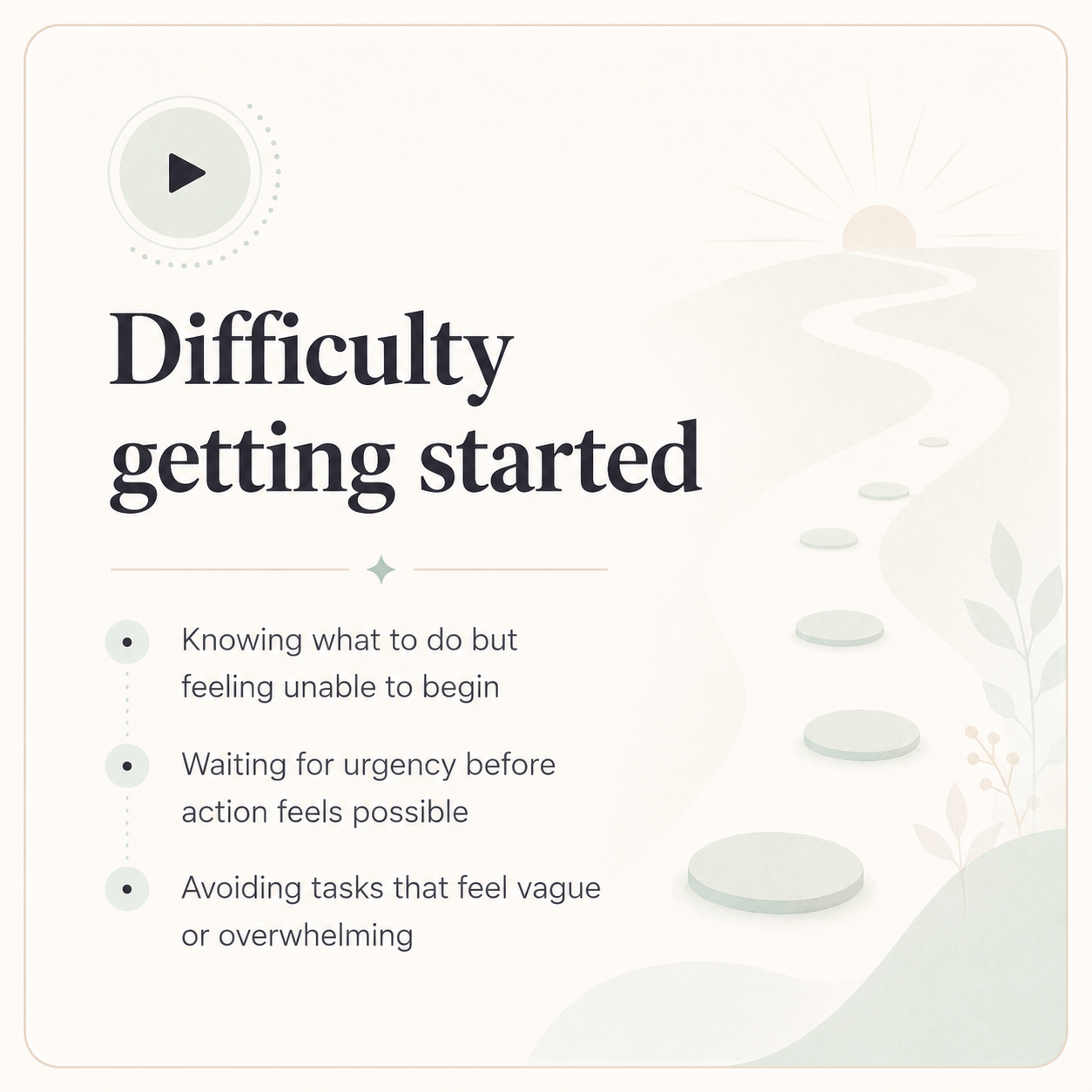
A thoughtful reminder: difficulty concentrating can also be connected to anxiety, depression, trauma, chronic stress, sleep problems, substance use, medication effects, or physical-health concerns. Therapy can help us explore the full picture rather than forcing every experience into one explanation.
UNDERSTANDING YOUR ADHD IN CONTEXT

The same ADHD traits can be interpreted very differently depending on your family, culture, gender, identity, school environment, workplace, relationships, and access to support.
1
Masking can hide the struggle.
You may have learned to over-prepare, people-please, stay quiet, work late, or rely on anxiety to keep yourself functioning.
Culture shapes the meaning you make.
2
In some families, forgetfulness, emotional expression, inconsistent performance, or difficulty following expectations may be treated as laziness, disrespect, or lack of discipline.
Stress can amplify ADHD traits.
3
When demands increase, the strategies that once kept you afloat may stop working. This is often when adults begin to question why everyday life suddenly feels impossible.
Strengths and struggles can coexist.
4
Creativity, curiosity, spontaneity, sensitivity, humour, pattern recognition, and intense interest may be real strengths, even when daily functioning remains difficult.
Sometimes the hardest part is not the symptom. It is what follows.
ADHD IN EVERYDAY LIFE
Repeated mistakes, missed expectations, criticism, and unfinished plans can gradually affect relationships, confidence, and trust in yourself.
WORK & SCHOOL
Capable, but inconsistent
You may produce excellent work under pressure, then struggle with email, paperwork, studying, transitions, prioritizing, or tasks that do not feel immediately rewarding.
RELATIONSHIPS
Misread intentions
Forgetting, interrupting, zoning out, reacting quickly, or delaying responsibilities may be understood as not caring, even when the relationship matters deeply to you.
HOME & ROUTINES
Life in unfinished piles
Laundry, food, appointments, sleep, cleaning, finances, and paperwork can become cycles of avoidance, emergency effort, brief relief, and starting over.
SELF - WORTH
Capable, but inconsistent
After years of trying harder, you may call yourself lazy, unreliable, dramatic, immature, or broken. Therapy can help separate your identity from those painful conclusions.
Not by turning you into a perfectly organized person.
HOW THERAPY MAY HELP

The goal is to understand what keeps getting in the way, build more workable systems, respond differently when things fall apart, and create a life that does not depend on constant shame or crisis.
Notice your actual patterns
We look beyond “I procrastinate” and identify what happens before, during, and after a task becomes stuck.
Make tasks easier to enter
We can experiment with clearer starting points, external cues, body doubling, timing, environment, and realistic task size.
Work with emotional activation
Skills from DBT, CBT, ACT, grounding, and mindfulness may help when frustration, rejection, shame, or overwhelm takes over.
Repair self-trust
Instead of making another perfect plan, we focus on flexible follow-through and how to return after disruption.
Communicate needs more clearly
We explore how ADHD affects conflict, listening, intimacy, responsibilities, boundaries, and misunderstood intentions.
Reconnect with values
Your life is more than symptom management. We also make room for identity, meaning, connection, play, rest, and what matters to you.
WHAT OUR SESSIONS LOOK LIKE
Collaborative, curious, and practical, without constantly telling you what to do.
You have probably already received plenty of advice. Our work is to understand why certain strategies have not held, what your nervous system and environment are asking of you, and what feels realistic enough to try.
-
We may begin with the task, conflict, emotional reaction, or pattern that is creating the most difficulty right now.
-
Together, we map what you noticed, thought, felt, avoided, needed, and did without treating the moment as a personal failure.
-
Depending on your needs, we may practice regulation skills, change the environment, rehearse a conversation, simplify a plan, or test a different response.
-
A strategy does not have to work perfectly to teach us something. We adjust it around your life rather than asking your life to fit the strategy.
You do not need another system that works only when you are already having a good week.
Our therapy approach integrate practical ADHD strategies with CBT, ACT, DBT, EFIT, motivational interviewing, attachment-informed therapy, behavioural activation, mindfulness, and self-compassion.

FREQUENTLY ASKED QUESTIONS
A few things you may be wondering.
-
No. You can seek support for attention, motivation, emotional regulation, routines, relationships, or possible ADHD traits without already having a diagnosis. We will remain open to other factors that may be contributing.
-
I don’t currently provide ADHD assessments, as I’m completing further training to ensure I can offer this service competently in the future. In the meantime, I’d be happy to help connect you with an appropriate provider for an assessment. I’ll also update my website once this service becomes available.
-
Yes. Medication and therapy can play different roles. Therapy may help with habits, emotional patterns, relationships, shame, communication, self-understanding, and adapting your environment. Medication decisions should be discussed with an authorized medical prescriber.
-
I share strategies with clients to manage struggles associated with ADHD. While practical tools can be useful, they are not the whole approach. We first look at why a task is getting stuck and whether overwhelm, uncertainty, emotion, perfectionism, exhaustion, boredom, or the environment is part of the pattern.
-
Yes. The work does not aim to erase your personality or force you to appear neurotypical. We can support functioning while respecting identity, autonomy, strengths, limits, and the reality that environments often need to change too.
ADHD Related Articles


You can come to therapy with the messy version.
We can begin with what’s happening now and figure out the next manageable step together. A free consultation gives us both a chance to see whether the approach feels like a good fit.